Field notes / The changing year
Seasons Shape the Service
Seasonality is more than what appears on a plate. It is the hour you arrive, the chair you settle into and the moment the table moves under shelter.
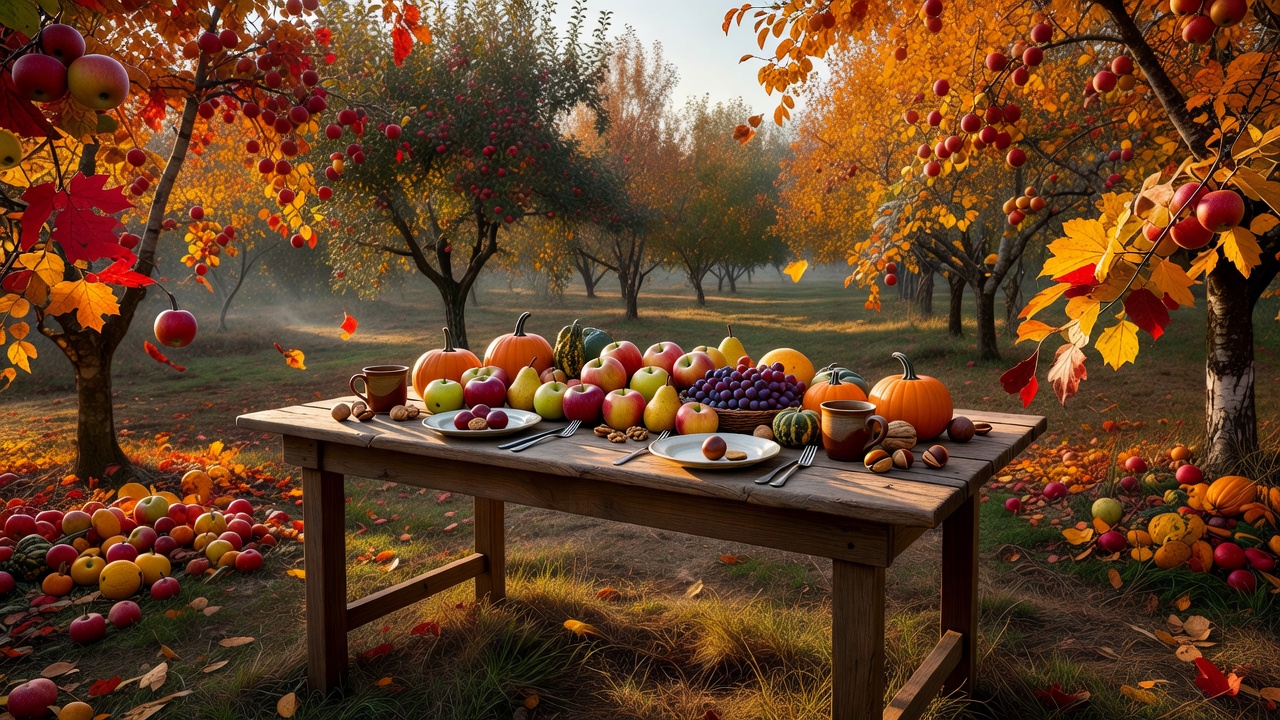
An outdoor meal is an appointment with a particular place at a particular time. The same terrace can feel generous in mild afternoon light and uncomfortable after sunset. An orchard that offers welcome shade in summer may be damp underfoot in autumn. Planning around these changes does not diminish spontaneity. It creates enough confidence for guests to pay attention to the food, the landscape and one another.
Use the local season, not a universal calendar
Spring in County Cork is not the same proposition as spring in Provence or the Dolomites. Altitude, exposure, rainfall and proximity to the coast alter both comfort and growing patterns. References to seasonal ingredients should remain grounded in local availability, storage and growing methods. Imported produce is not automatically poor quality, but its origin should not be disguised by a vague seasonal description.
The same care applies to timing. A late dinner may make sense in one climate and create unnecessary cold or transport problems in another. Ask about sunset, the expected length of the service and how the return route is lit. If views are central to the experience, make sure the main part of the meal happens while there is still something to see.
Spring: allow for the change between hours
Spring brings an appealing sense of renewal, but early warmth can be misleading. A comfortable welcome drink in sunlight may be followed by a sharp fall in temperature. Plan a sheltered location, offer clear clothing advice and avoid making a long stationary meal dependent on an unusually warm evening. Dry cushions and stable seating matter after a wet spell.
Menus can reflect tender leaves, herbs and the first local crops without promising a fixed harvest. A warm opening course may be more welcoming than an entirely cold menu. Flowers should be treated carefully: edible varieties require reliable identification and appropriate sourcing, while decorative stems belong away from food unless their suitability is known.
Summer: design around shade and freshness
Long daylight can make a meal feel leisurely, but heat brings practical demands. Effective shade should cover guests as the sun moves, not just shade an empty table before arrival. Drinking water needs to be readily available, and service routes should keep chilled foods protected. Discuss heat-related changes in advance rather than treating them as an unexpected inconvenience.
Insects are part of many summer settings. Covered food, prompt clearing and considered lighting can help without saturating the table with strong fragrances. Perfumed deterrents may interfere with the meal or bother sensitive guests. A shorter service during the hottest part of the day, or a later start with a reliable return arrangement, may offer a better experience than insisting on the original schedule.
A seasonal menu should be matched by seasonal hospitality.
Autumn: work with shorter light
Autumn can lend a table warmth of colour and flavour: orchard fruit, squash, roots and carefully sourced mushrooms all suggest possibilities. But richness on the plate does not replace physical warmth. Earlier starts, insulated seating and a nearby shelter can be more effective than extending a chilly evening with another course.
Wet leaves, fallen fruit and soft ground change access conditions. The route should be checked close to the event, not only during a summer site visit. Lighting needs to reveal changes in level without overwhelming the setting. Guests should know whether they will return across lawn, gravel or a surfaced path, especially if the ground has become slippery.
Winter: let the landscape be an outlook
A winter experience need not require prolonged exposure. A suitable enclosed pavilion, conservatory or established shelter can offer a strong relationship with the landscape while providing a controlled environment. Ventilation, safe heating, fire precautions and access remain important. Portable heaters are not a universal answer, particularly in poorly ventilated or unsuitable temporary structures.
Consider a shorter outdoor welcome followed by the meal under reliable cover. Warm food can be comforting, but it cannot compensate for unsafe conditions or inadequate clothing. Snow and frost may look beautiful while making roads, paths and service areas unusable. A responsible cancellation can be the most hospitable decision.
Make flexibility feel intentional
The strongest plan contains more than one good version of the day. The sheltered arrangement should feel like a considered experience, not a storage space hurriedly cleared. Explain how the menu, table position or timings may change, and what remains consistent. That gives guests a realistic picture without turning the invitation into a list of warnings.
For planners, trusted local forecasts and current site conditions should inform the final decision. For diners, a few specific questions are more useful than chasing a promise of perfect weather. The year will keep changing. Good service is the part that responds.